

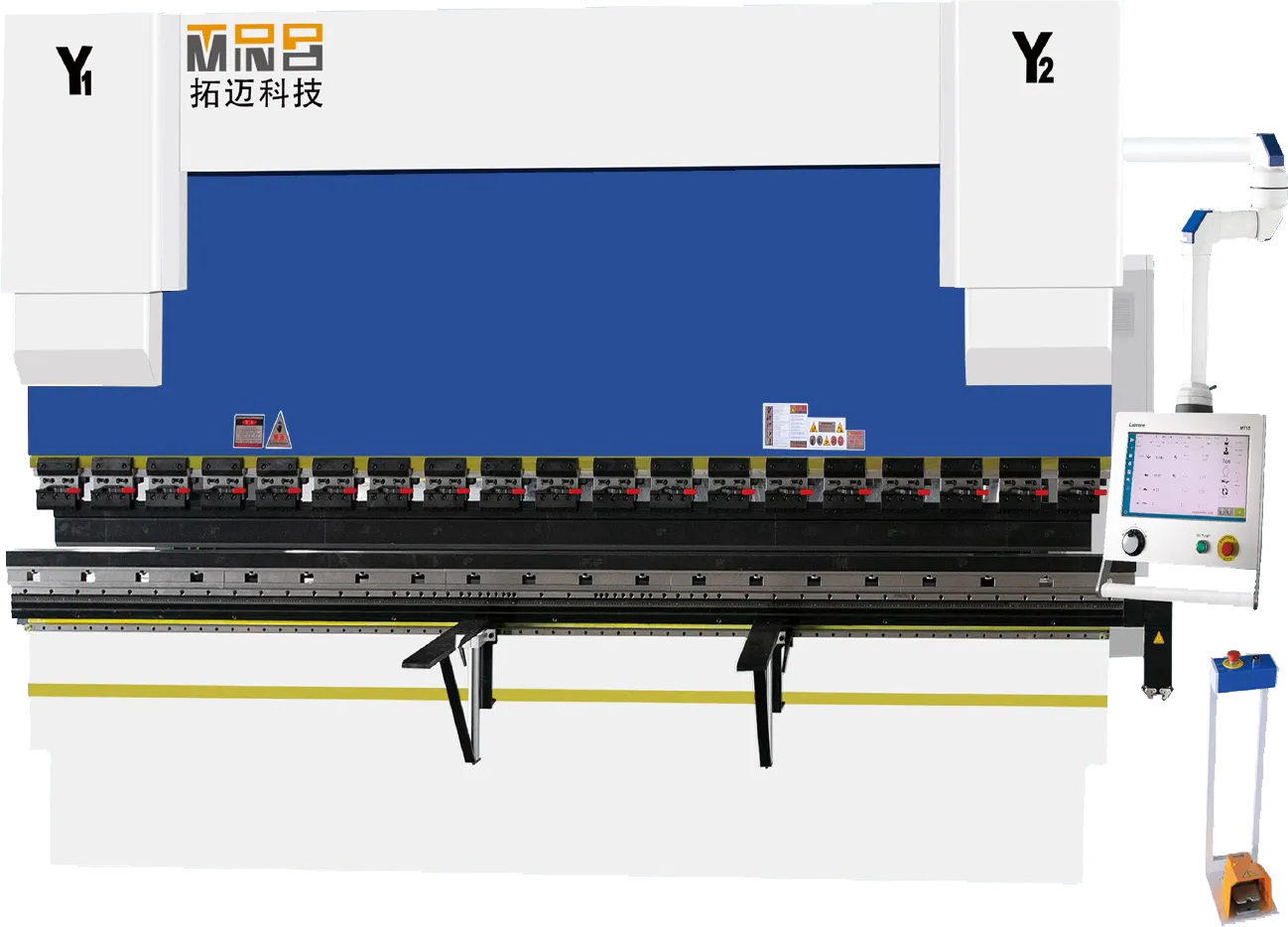
Details worth paying attention to when operating an electro-hydraulic synchronous sheet metal bendin
-
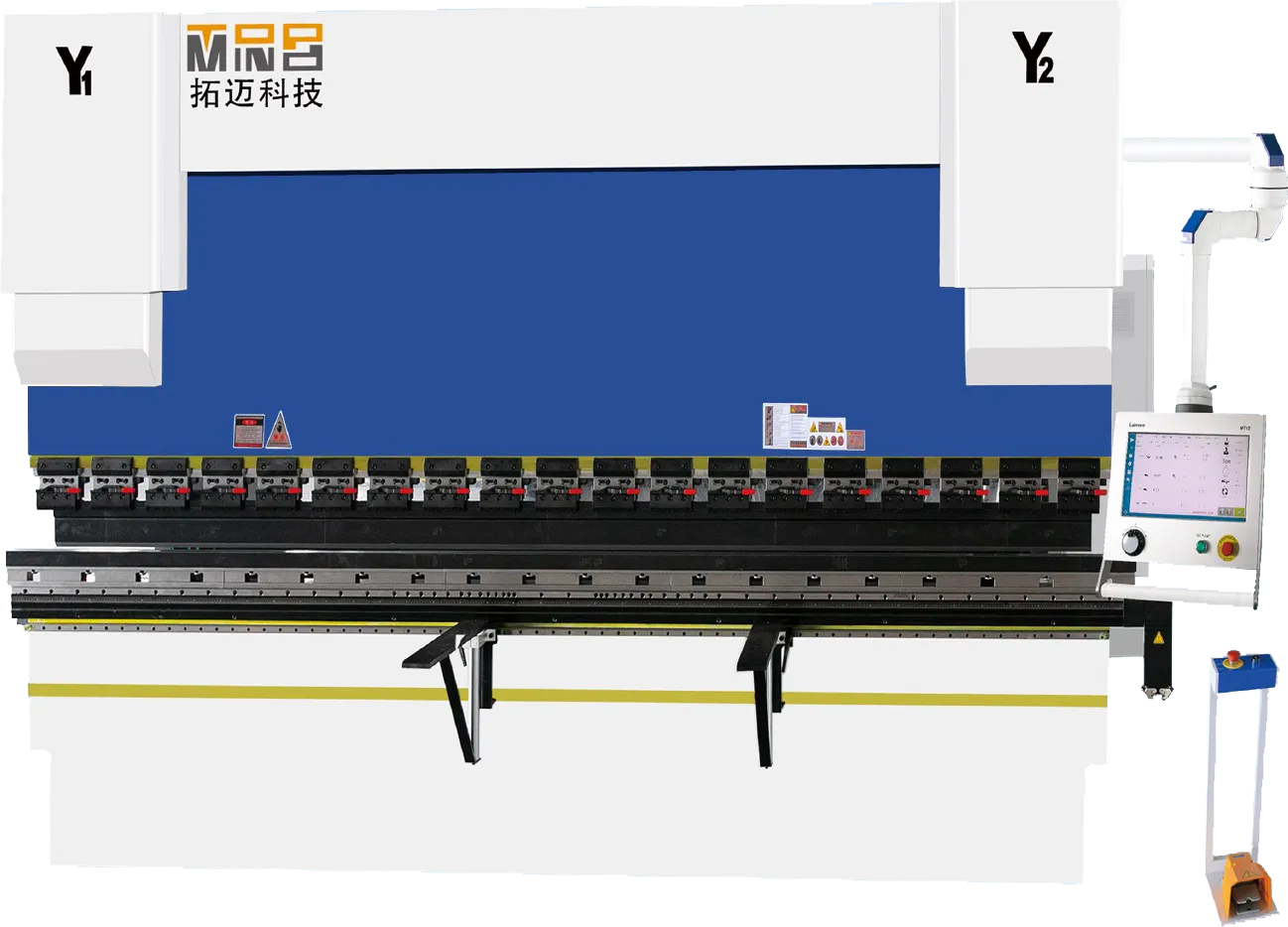

Bending machine
By adopting hydraulic follow-up control technology, the synchronization accuracy of Y1 and Y2 axes during high-speed operation is ensured, achieving high bending processing efficiency.
-
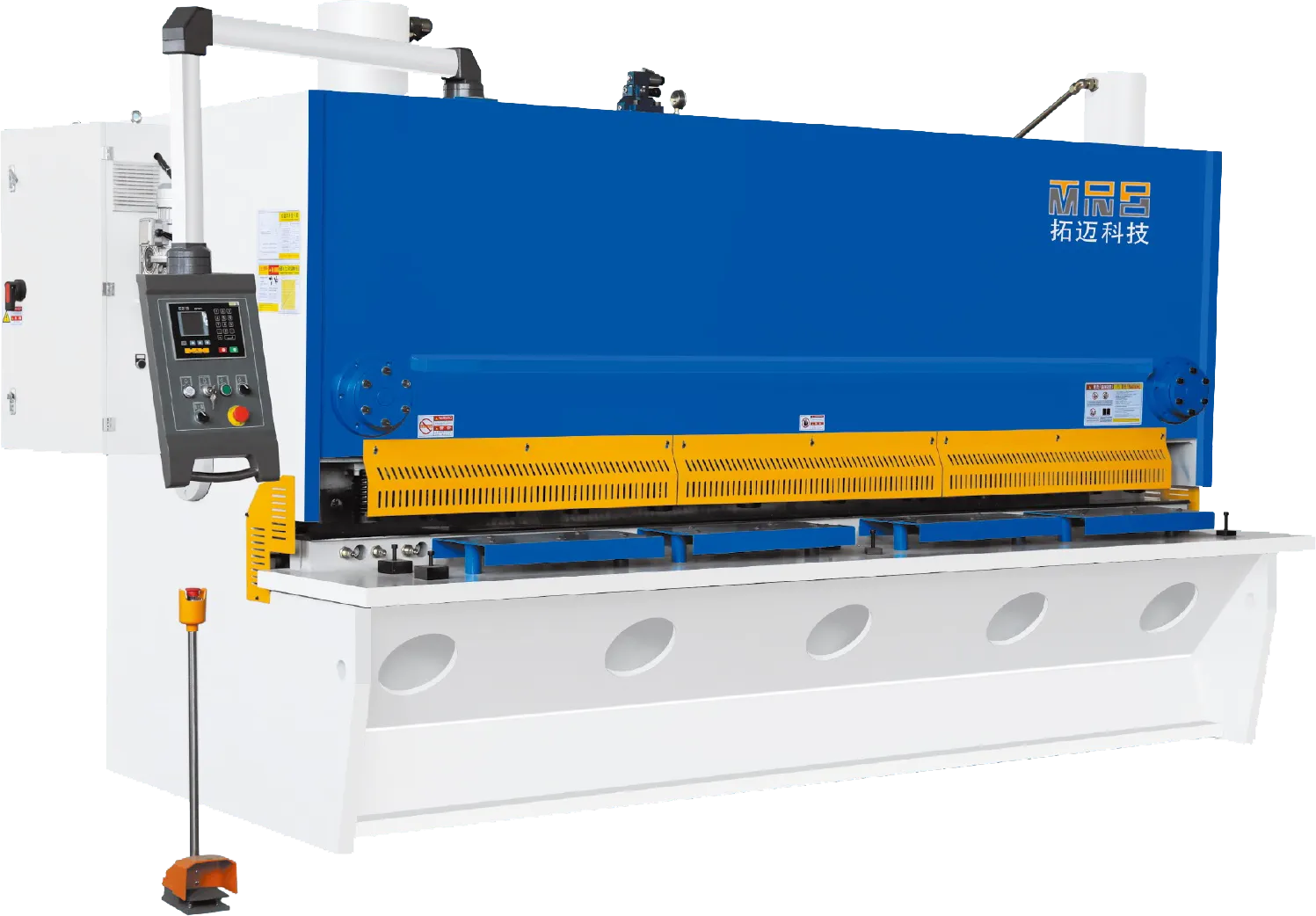
Shearing machine
Adopting a fully welded steel structure and undergoing aging treatment to eliminate internal stresses. The shearing adopts hydraulic transmission, the upper tool holder adopts a fast clearance disc adjustment mechanism, and the return adopts nitrogen return.
-
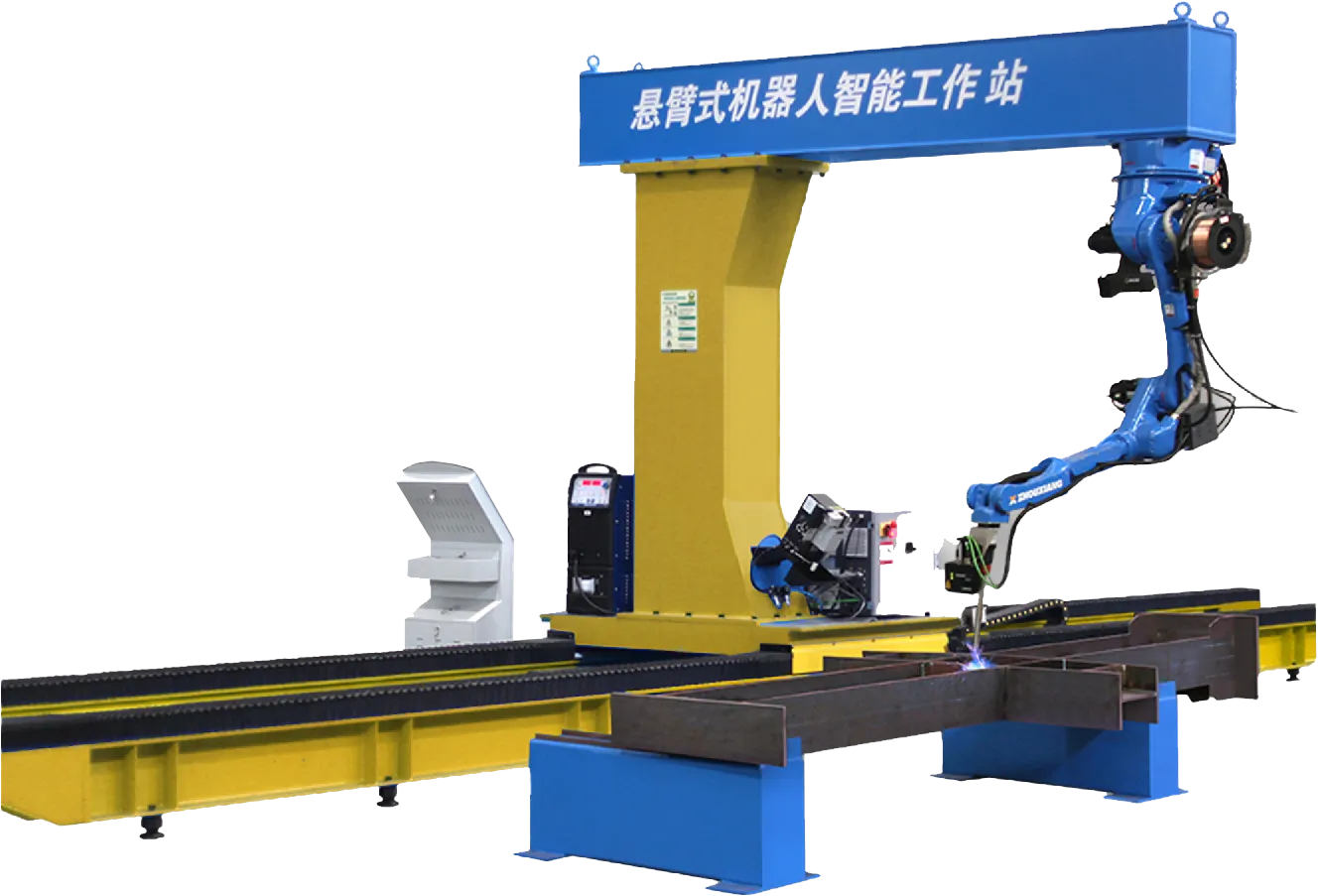
Robot welding workstation
At present, it is mainly used for welding H-shaped steel ordinary reinforcement plates, horizontal and vertical reinforcement plates, column bottom plates, pallets, cow legs and other structures.
-
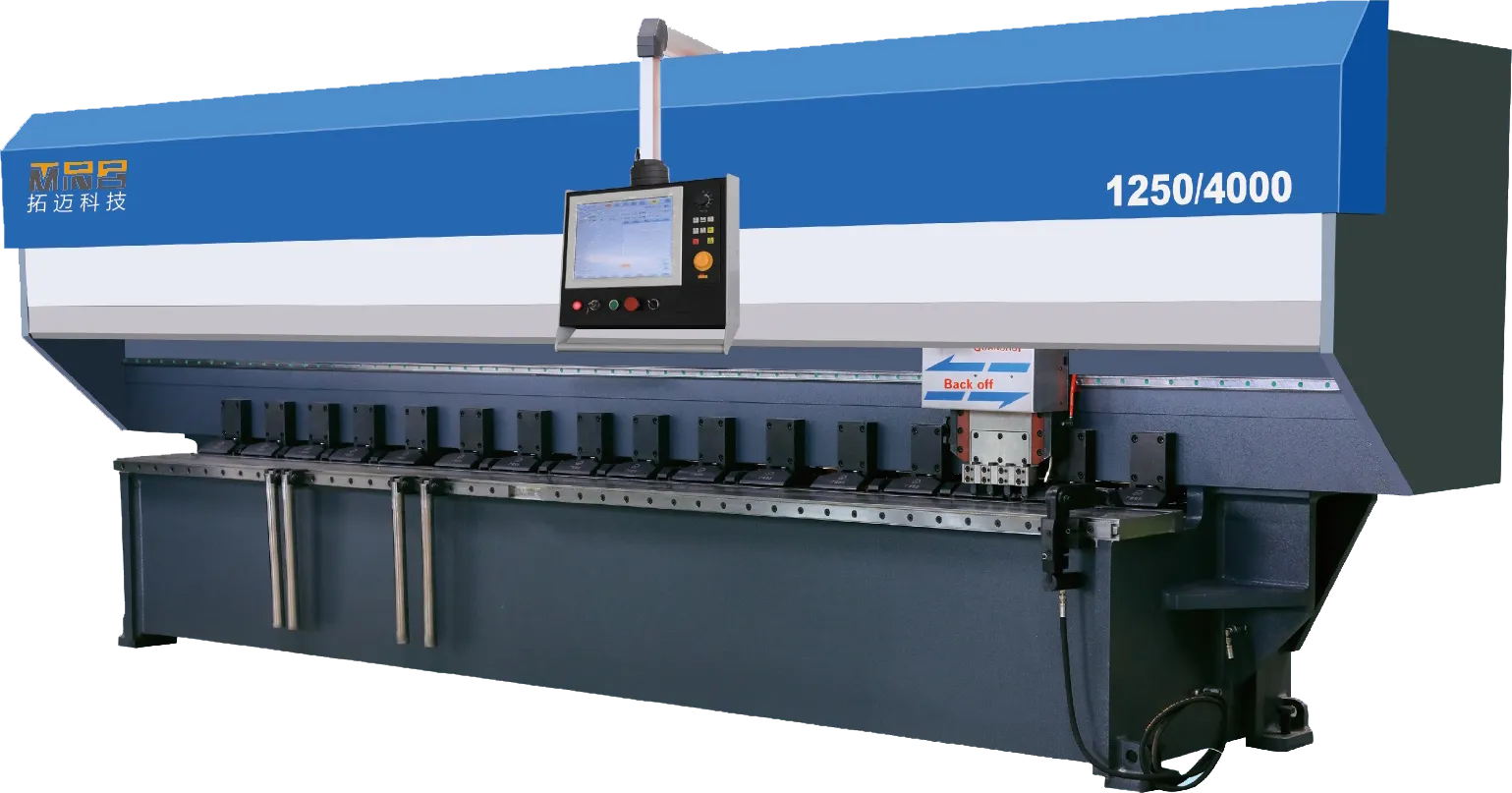
Grooving machine
Adopting a frame structure, high-strength bolt connection, good overall rigidity, and minimal deformation.
-
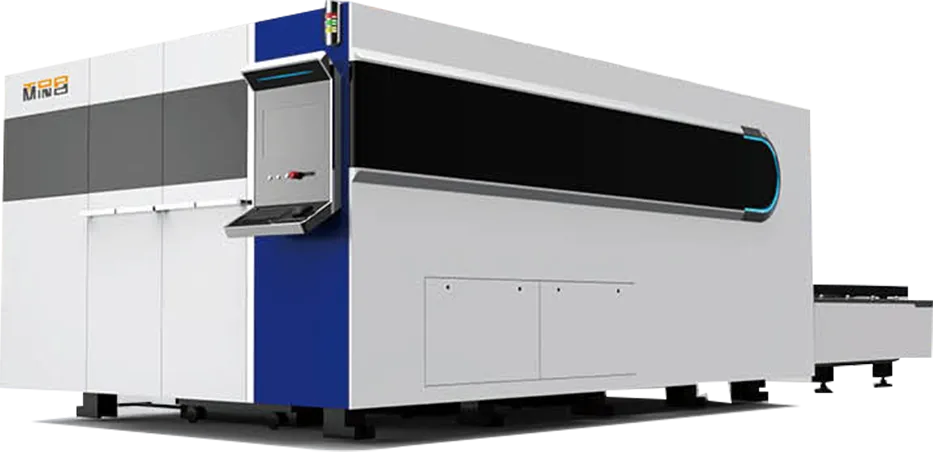
Laser cutting machine
The fully closed-loop laser cutting control system and automatic focusing function have high-speed perforation and automatic edge finding functions.
- About Us
Top mind
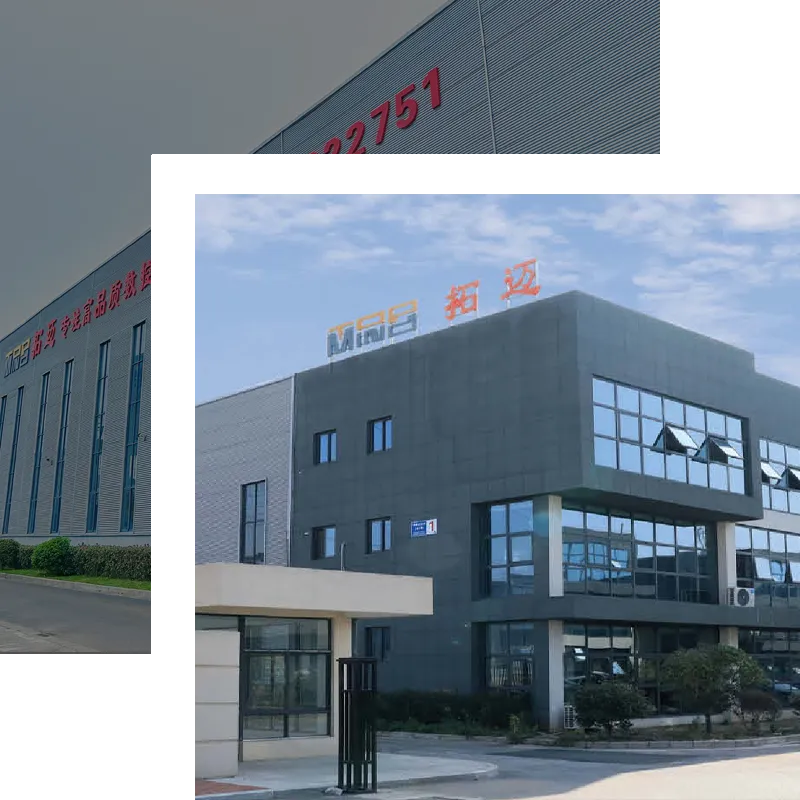
Nanjing Tuomai Intelligent Technology Co., Ltd. is a comprehensive company dedicated to the research and development, production, and sales of sheet metal equipment. Its headquarters, TopMind Technology Limited, is located in the Victoria Harbour Center in Hong Kong, China. With many years of production and operation history, the company adheres to advanced design concepts and combines actual user operation needs and experience to manufacture sheet metal processing equipment with reasonable structure and excellent quality. Its products mainly include CNC bending machines, CNC shearing machines, CNC slotting machines, and fiber laser cutting machines, with products and services covering all over the world.The company implements refined management, focuses on quality, pays attention to details, and improves services. The product has passed the European CE safety certification and is exported to the European Union and multiple countries and regions around the world; Implement the ISO9001 quality management system, standardize internal management processes, and ensure steady development of the enterprise; Establish an intellectual property protection mechanism, encourage innovation, obtain multiple patents, and lay a solid foundation for the company's future development. Our company has always been recognized by customers for our exquisite design, stable and reliable quality, and thoughtful service. Adhere to the corporate philosophy of pursuing development through quality and survival through reputation, persist in independent innovation, and strive to shape a good corporate culture. We provide you with integrated sheet metal solutions, strive for excellence in products, guide breakthroughs in innovation, become the leader of CNC sheet metal machinery and a collaborator in sheet metal processing, and create a new situation in the CNC sheet metal machinery industry.
- 2020Year of establishment
- 800+Annual output
- 120+Exporting country
- 5000+Our clients
Products
- Bending machine
- Shearing machine
- Robot welding workstation
- Grooving machine
- Laser cutting machine
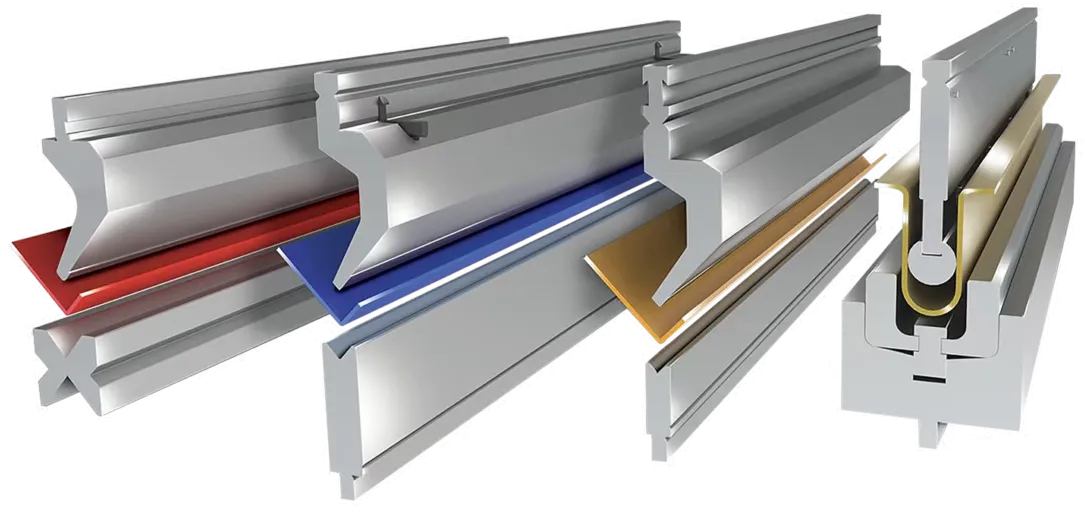
- Press Brake Toolings
Why chooseTopMind Intelligence
What sets Tuomai Intelligent apart from other mechanical manufacturers?
Tuomai stands out due to its commitment to quality and innovation. With over 16 years of experience, we ensure that our machines comply with CE and ISO 9001 standards, providing reliable performance and advanced technology to meet customer needs.
How does Tuomai Intelligence ensure excellent after-sales service?
We prioritize customer satisfaction and have a professional after-sales service team. Tuomai provides comprehensive training, technical support, and a powerful warranty program to ensure that our customers receive the support they need throughout the entire lifespan of their machines.
Why should I invest in Tuomai Intelligent Machines for my business?
Tuomai machines are designed to improve efficiency and accuracy, help customers increase productivity, and reduce operating costs. We are committed to continuous improvement and customer feedback to ensure that our products continue to evolve to meet the ever-changing needs of the industry.
News and Information
-
How to choose a CNC front feeding shearing machine from several aspects
2026-07-02
Some key points for operating the shearing machine. A shearing machine is a widely used cutting mechanical equipment in industrial processing, which can cut steel plate materials of various thicknesses. The commonly used shearing machines are divided into three types: flat shearing, rolling shearing, and vibration shearing. Flat cutting machines are widely used. Cutting machines with a thickness less than 10mm are mostly mechanically driven, while those with a thickness greater than 10mm are hydraulically driven. Generally, single or continuous metal cutting is carried out using foot pedals or button controls. When operating the shearing machine, attention should be paid to: (1) Before starting work, carefully check whether all parts of the shearing machine are normal, whether the electrical equipment is intact, and whether the lubrication system is unobstructed; Remove tools, measuring tools, and other debris from the countertop and its surroundings, as well as corner waste. (2) Do not operate the shearing machine alone. It should be coordinated by 2-3 people for feeding, controlling dimensional accuracy, and material retrieval, and it should be determined that one person is responsible for unified command. (3) Adjust the gap between the scissors of the shearing machine according to the specified thickness of the shearing plate. It is not allowed to cut two different specifications and materials of sheet metal at the same time; Do not stack or cut materials. The surface of the cut sheet material should be flat, and it is not allowed to cut narrow sheets that cannot be compressed tightly. (4) Protective covers must be installed on the moving parts such as belts, flywheels, gears, and shafts of the shearing machine. (5) The operator of the shearing machine should maintain a distance of at least 200mm from the cutting edge and keep their fingers away from the clamping device when feeding. The protective fence installed on the trigger cannot block the operator's eyes and prevent them from seeing the cutting area. The waste generated after homework has sharp edges and corners, and the operator of the shearing machine should promptly remove them to prevent the possibility of being stabbed or cut.
-
What should be done to operate a CNC bending machine?
2026-07-02
1、 Preparation work before operation 1. Equipment inspection Firstly, it is necessary to inspect the appearance of the CNC bending machine and check for any obvious damage to its various components, such as cracks in the machine bed and damage to the bending mold. Check if the protective devices are intact, including safety light curtains, guardrails, etc. The safety light curtain can detect whether the operator's limbs have entered the dangerous area, while the protective fence is used to prevent personnel from accidentally coming into contact with the moving parts of the machine. Check the electrical system to see if the wires are damaged and if the plugs are securely plugged in. Also, check if all buttons and indicator lights on the control panel are working properly, such as the power indicator light, emergency stop button, etc. At the same time, confirm whether the screen of the CNC system can display and operate normally, and check whether the parameters in the CNC system are correct, such as the stroke parameters of the coordinate axis. Check the hydraulic system to see if the hydraulic oil level is within the normal range. Insufficient hydraulic oil may lead to insufficient bending pressure or unstable machine operation. Check if there is any leakage in the hydraulic pipeline. If oil stains are found around the pipeline, they should be dealt with in a timely manner, as hydraulic oil leakage not only affects machine performance but may also cause safety accidents. Check the lubrication system to ensure that there is sufficient lubricating oil at each lubrication point. Good lubrication can reduce wear between machine components and extend the service life of the machine. For example, the moving parts such as the slider guide rail of the bending machine need to be lubricated regularly. 2. Preparation of tools and materials Select the appropriate bending mold according to the requirements of bending processing. The selection of molds should consider factors such as the material, thickness, and bending angle of the workpiece. For example, for thicker steel plates, higher strength molds are required; For different bending angle requirements, it is necessary to choose molds with corresponding angles. Prepare the materials to be processed, and the surface of the materials should be smooth, without obvious scratches or deformations. Cut the material according to the processing plan to ensure that the material size meets the requirements. At the same time, prepare measuring tools such as calipers, angle gauges, etc. for measuring the workpiece during the machining process. Wear personal protective equipment, including helmets, protective gloves, and goggles. A safety helmet can prevent accidental injuries to the head, protective gloves can protect the hands from sharp scratches, and goggles can prevent metal debris from splashing into the eyes during bending. 2、 Key points during the operation process 1. Program input and parameter settings According to the bending requirements of the workpiece, input the machining program into the CNC system. This can be manually programmed or imported using programs generated by CAD/CAM software. When programming, it is necessary to accurately set parameters such as bending sequence, bending angle, bending length, etc. For example, if you want to process a box with multiple bent edges, you need to set the bending operations for each edge in the correct order. Set the bending speed. The bending speed should be determined based on the properties and thickness of the material. Generally speaking, thicker materials should be bent at a slower speed to avoid damage to the mold or a decrease in the surface quality of the workpiece. At the same time, set the appropriate bending pressure. Insufficient pressure may result in inaccurate bending angles, while excessive pressure may damage the mold and workpiece. 2. Workpiece positioning and clamping Place the workpiece to be processed on the bending machine workbench and use positioning devices (such as positioning pins, stoppers, etc.) to accurately locate the workpiece. Positioning accuracy is crucial for ensuring the dimensional accuracy of the workpiece. For example, for mass-produced workpieces, precise positioning can ensure that the bending position of each workpiece is the same. Use appropriate clamping methods to clamp the workpiece onto the workbench. The clamping force should be moderate, ensuring that the workpiece does not move during the bending process and does not deform due to excessive clamping force. Some CNC bending machines are equipped with automatic clamping devices, which can control the clamping force through the CNC system. 3. Bending operation and monitoring Before starting the bending operation, confirm the program parameters, workpiece positioning, and clamping situation again. After starting the bending machine, closely observe the operation of the machine, including the movement of the slider, the contact between the mold and the workpiece, etc. If any abnormal situation is found, such as the machine making abnormal sounds or the slider not moving smoothly, the operation should be stopped immediately. During the bending process, the monitoring function of the CNC system allows for real-time monitoring of changes in parameters such as bending angle and bending pressure. Some high-end CNC bending machines are also equipped with online detection devices, which can automatically detect whether the size and angle of the bent workpiece meet the requirements. If there is a deviation in the bending angle of the workpiece, the parameters can be adjusted in a timely manner for correction. 3、 Key points of work after operation 1. Quality inspection of workpieces After the bending operation is completed, use measuring tools to check the dimensions, angles, etc. of the workpiece. For workpieces that do not meet the requirements, the reasons should be analyzed, such as whether it is an error in program parameter settings, mold wear, or a problem with the material itself. If a small number of workpieces do not meet the requirements, manual correction can be carried out; If it is a batch problem, the processing technology needs to be adjusted. Check the surface quality of the workpiece for scratches, indentations, or deformations. Surface quality is very important for some workpieces with high appearance requirements, such as home appliance casings and other products. 2. Equipment cleaning and maintenance Clean up metal debris and oil stains on the workbench. Metal debris can be cleaned with a brush, while oil stains can be wiped with a clean cloth. At the same time, clean the bending mold, remove the attachments on the surface of the mold, and check whether the mold is worn. If the mold is severely worn, it needs to be replaced or repaired in a timely manner to ensure the quality of the next processing. Return the various components of the device to their original positions, such as the slider returning to its initial position and the clamping device releasing. Perform daily maintenance on the CNC bending machine, such as checking the condition of hydraulic oil and lubricating oil, and supplementing insufficient oil; Check for any abnormal conditions in the electrical system and mechanical components, and keep records of equipment operation, including the processing status, problems encountered, and maintenance measures, for future reference and analysis.
-
CNC bending machine: a precision tool for modern metal processing
2026-07-02
CNC bending machine is a key equipment used in modern manufacturing for precise bending and forming of metal sheets, widely used in various fields such as aerospace, automotive manufacturing, construction engineering, and home appliance production. With the continuous advancement of CNC technology, CNC bending machines have become an important tool for improving product quality and production efficiency in the metal processing industry due to their high precision, efficiency, and flexibility. 1、 The working principle of CNC bending machine The CNC bending machine controls the hydraulic system or servo motor to drive the bending mechanism through the CNC system, achieving precise bending of metal sheets. The operator inputs parameters such as bending angle, bending depth, and bending times through programming, and the CNC system precisely controls the actions of the upper mold (male mold) and lower mold (female mold) based on these parameters to complete complex bending processes. Modern CNC bending machines are usually equipped with auxiliary devices such as backstepping devices and mold replacement systems, which further improve machining accuracy and production efficiency. 2、 Characteristics and advantages of CNC bending machine High precision: CNC bending machines can achieve micrometer level bending accuracy, meeting the strict requirements of manufacturing industry for part accuracy. High efficiency: Through optimized CNC programs and fast hydraulic or servo drive systems, CNC bending machines can significantly improve production efficiency and shorten product delivery cycles. Flexibility: The CNC bending machine supports multiple mold configurations and flexible programming methods, which can adapt to the processing needs of workpieces of different shapes and sizes. Intelligence: Modern CNC bending machines are generally integrated with intelligent control systems, such as automatic compensation for bending angles and automatic adjustment of mold wear, which improve the stability and usability of the equipment. 3、 Considerations for choosing a CNC bending machine Processing range and accuracy: Select appropriate bending force, bending length, and accuracy level based on the actual processing needs of the enterprise. Control System and Operating Interface: Advanced CNC system and user-friendly operating interface can simplify the programming process and improve operational efficiency. Mold configuration and compatibility: Consider the convenience of mold replacement for equipment and compatibility with different types of molds to meet the needs of multi variety production. After sales service and technical support: Choose suppliers with good after-sales service and technical support to ensure the long-term stable operation of equipment and timely technical updates. 4、 Development Trends and Application Prospects Intelligent Manufacturing Integration: CNC bending machines are gradually integrating into the intelligent manufacturing system, achieving the integration of design, programming, and processing through seamless integration with CAD/CAM software. Energy saving and environmental protection: The new generation of CNC bending machines focuses on energy-saving design, using high-efficiency hydraulic systems or servo drive technology to reduce energy consumption and minimize environmental impact. Customization and Flexibility: With the increasing demand for personalized products in the market, the flexible production capacity of CNC bending machines will be more valued, and they can quickly adapt to small batch and multi batch production modes. As the core equipment of modern metal processing, the technological progress and performance improvement of CNC bending machines directly affect the product quality and competitiveness of the manufacturing industry. When selecting and using CNC bending machines, enterprises should fully consider their own production needs and industry development trends to achieve the goals of high efficiency, precision, and intelligence in metal processing.
TopMind Intelligence isEfficient/Innovative/Reliable
 Mechanical expert
 Cost-effective
 Trusted by customers
 Fast delivery


